If you buy through our links, Amazon pays us a small commission at no extra cost to you. That’s how we keep the site running. How we choose.
Contents
Our top 3 picks
Stock checked on October 7, 2026

pickleball grips and overgrips comparison, in stock

Wilson Pro Overgrip-Comfort
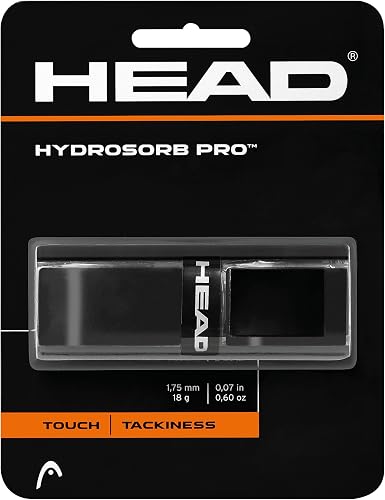
HEAD HydroSorb Pro Tennis Racquet Replacement Grip
Gamma Sports Supreme Overgrip for Tennis, Pickleball, Squash, Badminton, and Racquetball Racquets, Multiple Pack Sizes…

Gamma Sports Supreme Overgrip for Tennis, Pickleball, Squash, Badminton, and Racquetball Racquets, Multiple Pack Sizes…
Gamma Sports Supreme Overgrip for Tennis, Pickleball, Squash, Badminton, and Racquetball Racquets, Multiple Pack Sizes…

Gamma Sports Supreme Overgrip for Tennis, Pickleball, Squash, Badminton, and Racquetball Racquets, Multiple Pack Sizes…

Tourna Mega Tac Extra Tacky Overgrip, 10-Pack
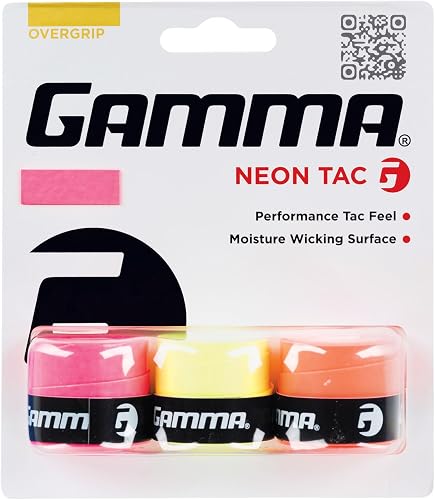
GAMMA Sports Neon Tennis Overgrips - High Performance and Moisture Wicking, Also for Pickleball, Padel, Racquet Sports…
PickleballPala score: combines the average rating and the number of buyer reviews on Amazon. No brand pays to be featured.
Replacement grip vs overgrip
These are two different products. A replacement grip (or base grip) is the thicker wrap that comes from the factory, glued to the handle with adhesive backing and built-in cushioning. An overgrip is a thin wrap that goes over the base grip without adhesive and gets changed often. Most players only ever need overgrips: they take two minutes to put on and make the handle feel new. Swap the replacement grip when the original is torn, packed down, or you want more cushioning.
Cushion, tacky or dry: the feel
- Cushion: thicker and softer, it soaks up vibration. Comfortable if your elbow or wrist bothers you, at the cost of a little feel.
- Tacky: a sticky surface that holds the paddle without squeezing. The most popular choice for dinks and volleys at the kitchen line. It loses tack with use and sweat.
- Dry or perforated: absorbs sweat and stays grippy instead of slick. Ideal in summer or if your hands sweat a lot.
| Type | Thickness | Advantage | Best for |
|---|---|---|---|
| Tacky overgrip | Thin | Grip without squeezing | Most players |
| Dry overgrip | Thin | Absorbs sweat | Heat, sweaty hands |
| Cushion replacement grip | Thick | Dampens vibration | Sensitive elbow or wrist |
Handle size and how to build it up
Paddle grip circumference usually runs from 4 to 4.5 in (10-11.5 cm). A handle that is too small makes you squeeze harder and strains the forearm; one that is too big limits wrist action. If you are between sizes, go smaller and build it up: a single overgrip barely changes the size, while two layers or a cushion grip are noticeable. For bigger jumps there are heat-shrink sleeves and build-up tape that goes under the base grip. See how to measure your hand in how to choose a pickleball paddle.
Tip: tennis and padel overgrips work fine on a pickleball paddle, since they are the same width and come from the same makers. Because a pickleball handle is shorter, you will have extra wrap left over: trim it at an angle before finishing.
How often to replace it
As a rough guide, an overgrip lasts 10 to 20 hours of play. Replace it when it looks shiny or smooth, has holes, or slides when you rotate your hand. A replacement grip lasts months. If you play a lot in the heat, keep two or three spares in your bag; many come in packs of three or more.
How to wrap an overgrip, step by step
- Remove the old overgrip and wipe the base grip clean.
- Peel off the backing film and start at the butt cap, with the tapered end against the base.
- Wrap upward with steady tension, overlapping a few millimeters (about 1/8 in) each turn. Many brands show the direction for righties and lefties.
- When you reach the throat, trim the excess and secure it with the finishing tape.
Common mistakes
- Stacking three or four overgrips to build up the handle: you lose feel and the handle's bevels.
- Playing on a slick overgrip "because it still works" and squeezing harder and harder.
- Wrapping without tension: wrinkles form and the grip spins.
- Using a towel grip outdoors: it gets dirty and heavy with sweat.
Warning: gripping the paddle too tight is a common cause of elbow pain. If that is you, check your handle size and read pickleball injuries and warm-ups.
If you also want to protect your paddle or tune its weight, see edge guard tape and lead tape. We compare spec sheets, the rulebook and verified reviews, but we do not physically test the products.
Frequently asked questions
What is the difference between a grip and an overgrip?
A replacement grip is the thicker, adhesive-backed wrap glued to the handle that provides cushioning. An overgrip is a thin wrap that goes on top without adhesive to refresh the feel and absorb sweat. You change it far more often.
Can I use a tennis or padel overgrip on a pickleball paddle?
Yes. They are the same width and work the same way. Since a pickleball handle is shorter, you will have extra wrap: trim it at an angle before securing it with the finishing tape.
How often should I change my pickleball overgrip?
As a rough guide, every 10 to 20 hours of play, or sooner if it is slick, shiny, torn or slipping. Heat and heavy sweat wear it out faster.
How do I make my paddle handle bigger?
One overgrip barely changes the size; two layers or a cushioned replacement grip are noticeable. For more, use a heat-shrink sleeve or build-up tape under the base grip.