If you buy through our links, Amazon pays us a small commission at no extra cost to you. That’s how we keep the site running. How we choose.
Contents
Our top 3 picks
Stock checked on October 7, 2026
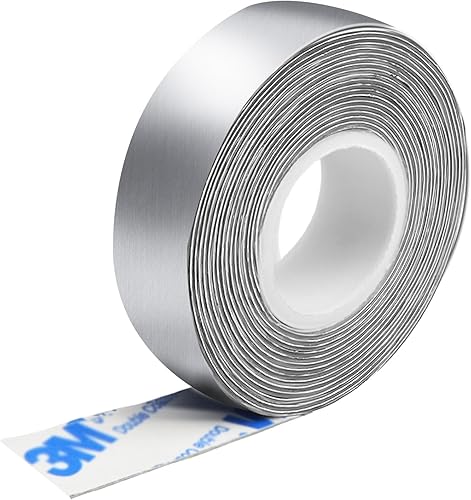
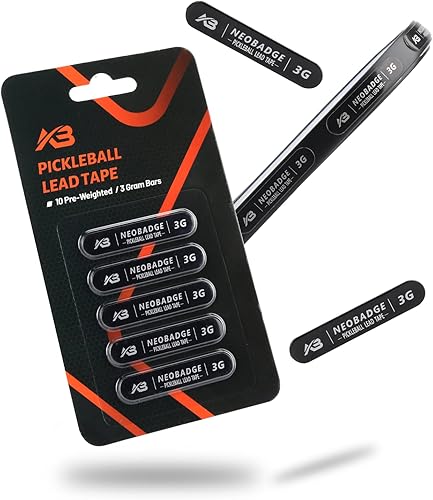
pickleball lead tape comparison, in stock
Pickleball Effect Weighted Tungsten Tape for Pickleball Paddles | Non-Toxic & Customizable Alternative of Lead Tape for…

Pickleball Effect Weighted Tungsten Tape for Pickleball Paddles | Non-Toxic & Customizable Alternative of Lead Tape for…

Pickleball Effect Weighted Tungsten Tape for Pickleball Paddles | Non-Toxic & Customizable Alternative of Lead Tape for…
2 Grams Per Inch Golf Lead Tape | 1/2''x 60'' Adhesive Lead Tape | Add Swing Weight for Golf Tennis Racket Pickleball…


SummerHouse 1 Gram Per Inch High Density Lead Tape Self-Adhesion for Golf Wood Iron Putter Wedge Clubs Head Tennis…

Lead Tape for Pickleball Paddles with High-Performance Adhesive.
PickleballPala score: combines the average rating and the number of buyer reviews on Amazon. No brand pays to be featured.
What lead tape is and what it does
Lead tape is a thin adhesive tape backed with a dense metal layer (lead or, increasingly, tungsten) that you stick on a paddle to add weight in a specific spot. Tennis and padel players have used it for decades, and in pickleball it has become a go-to way to customize off-the-shelf paddles.
It does three things: adds stability on off-center hits, adds power by shifting weight toward the head, or changes the balance so the paddle feels quicker. It will not turn a bad paddle into a good one, but it can dial in a paddle you almost love. If you are still shopping, start with how to choose a pickleball paddle.
Where to put it: the paddle clock
Picture the paddle face as a clock with the handle at 6 o'clock. Where the tape goes changes everything.
| Position | Main effect | Who it suits |
|---|---|---|
| 3 and 9 o'clock (sides) | More stability (twist weight), a wider sweet spot, less twisting on mishits | Dinkers and blockers at the kitchen line |
| 12 o'clock (tip) | More power and more swing weight | Baseline players chasing deep drives |
| 2 and 10 o'clock | A middle ground between power and stability | All-court players |
| Handle or throat | Counterbalance: the head feels lighter and faster | Fast hands at the net, quick exchanges |
Always apply tape symmetrically (same amount at 3 and at 9) so the paddle stays balanced. Most players stick it on the edge guard or just under edge guard tape, where it is protected and will not peel off from scuffs. On the handle it goes under the grip, so do it when you swap your grip or overgrip.
Tip: start with about 1-2 grams total (roughly 0.05 oz), play a couple of sessions, then add a little at a time. Small changes are much more noticeable than you would expect.
How much weight to add and how to measure
Tape comes in rolls or pre-cut strips. Pre-cut strips usually have fixed weights, often 0.5 g or 1 g each; for rolls, the listing gives the weight per inch or per standard strip. Always check that number, because it varies with width and material: tungsten weighs more than lead for the same size.
Most players end up adding a total of 2-6 grams (about 0.07-0.2 oz). A midweight paddle sits around 7.3-8.3 oz (207-235 g), so a few well-placed grams change the feel a lot, especially at the tip. If you own a precise kitchen scale, weigh the paddle before and after and write down your setup.
Is it legal, and what about your elbow?
The USA Pickleball rulebook allows lead tape on a paddle as long as it goes on the edge or edge guard, on the handle, or on the face only right next to the edge. It must not alter the hitting surface or push the paddle past the maximum dimensions. If you play tournaments, check the current rulebook before you go.
The elbow question has nuance. More mass on the sides makes the paddle more stable and can reduce vibration from off-center hits, which many players find more comfortable. But more weight at the tip increases the load on your elbow and shoulder with every swing. If you have pain, favor 3 and 9 o'clock or the handle, add very little and read pickleball injuries and warm-up.
Common mistakes
- Adding too much at once and ending up with a slow paddle that tires your arm.
- Taping only one side, so the paddle twists in your hand.
- Sticking tape on the hitting surface away from the edge, which the rules do not allow.
- Skipping a wipe with rubbing alcohol before applying: the tape peels off quickly.
Heads up: lead is toxic if swallowed. Wash your hands after handling it, keep it away from kids and pets and, if that worries you, choose tungsten tape instead.
We compare spec sheets, the official rulebook and verified reviews, but we do not physically test the products: always check the weight per strip on the listing before you buy.
Frequently asked questions
Where should I put lead tape on a pickleball paddle?
At 3 and 9 o'clock for stability, at 12 o'clock for power and on the handle as a counterbalance. Always apply it symmetrically and, on the face, only right next to the edge.
How much lead tape should I add?
Start with 1 or 2 grams total and build up slowly. Most players settle on 2 to 6 grams added, because a few well-placed grams already change the feel noticeably.
Is lead tape legal in tournaments?
Yes. USA Pickleball rules allow it on the edge, the handle or the face only next to the edge, as long as the paddle still meets the size limits. Check the current rulebook before a tournament.
Lead tape or tungsten tape?
They do the same job. Tungsten is denser, so you need less tape for the same weight, and you avoid handling lead. It usually costs a bit more.