If you buy through our links, Amazon pays us a small commission at no extra cost to you. That’s how we keep the site running. How we choose.
Contents
In the United States, pickleball took off in retirement communities before it ever reached most clubs, and it's now the fastest-growing sport among older adults in many places. That's no accident. You can learn it in an afternoon, it's played on a small court and it's incredibly social. In this guide we explain why it fits so well later in life, how to get started safely and which gear makes sense.
In a nutshell: a light paddle, indoor balls if you play inside, proper court shoes and a short warm-up before every session. Start with one-hour sessions and build from there.
Why seniors love pickleball
- The court is small. It measures 20 × 44 ft (6.10 × 13.41 m), the same as a doubles badminton court. Up to four fit on one tennis court. You run far less than in tennis.
- The paddle is light. Most weigh 7.3 to 8.3 oz (207-235 g), and lighter ones are available.
- The ball is slow. It's perforated plastic and doesn't build up the speed of a tennis ball, so you have time to react.
- The serve is underhand. No overhead motion needed, which is exactly the one that's hardest on the shoulder.
- It's mostly doubles. Each player covers half the court, and chatting between points is part of the fun.
- It's quick to learn. You'll play real points in your very first session, without weeks of frustration.
If you come from tennis, check out pickleball vs tennis. If you've never played, start with what pickleball is and how it's played.
Health benefits, in general terms
Like any regular, moderate physical activity, pickleball can help you maintain fitness, mobility and balance, and it lifts your mood. It also has something many workouts don't: it makes you react, coordinate and make quick decisions, and it's played in a group, which helps fight isolation. Many players say what hooks them isn't the exercise but the friendships they make on court.
That said, it's lower impact than tennis, not zero risk. There are starts, stops and changes of direction, and falls are the most serious injury among older players. So it pays to start smart.
How to start safely
- Get a checkup if needed. If you haven't exercised in a while, or you have heart, blood pressure, joint or balance issues or osteoporosis, talk to your doctor before you start.
- Take a clinic or beginner session. Learning proper positioning and footwork from day one prevents bad habits.
- Keep sessions short. One hour, two or three times a week, is a good start. Build up gradually.
- Always warm up. Ten minutes of mobility and easy footwork before you play.
- Never backpedal. If someone lobs you, turn and move sideways, or let your partner take it.
- Stay hydrated and avoid the hottest part of the day.
We cover the warm-up routine and the most common injuries in injuries and warm-up.
Important: this guide offers general tips, not medical advice. If you feel chest pain, dizziness, unusual shortness of breath or joint pain that won't settle, stop and see a healthcare professional.
Recommended gear
| Gear | What to choose | Why |
|---|---|---|
| Paddle | Light or light-mid (about 7-8 oz / 200-225 g), polymer core | Less load on elbow, wrist and shoulder |
| Grip | Slightly thicker if you have arthritis or a weak grip | Easier to hold without squeezing |
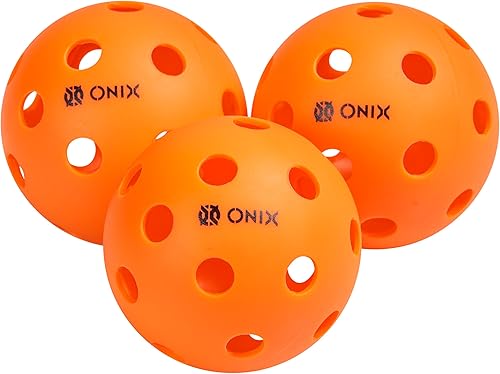
| Indoor balls | About 26 larger holes, softer | Slower, more controllable bounce |
| Outdoor balls | About 40 smaller holes, harder | Needed outside because of wind |
| Shoes | Court shoes, flat sole, lateral support | Stability and fewer rolled ankles |
| Eyewear | Protective sports glasses | Guards against hits at the net |
The paddle
A light paddle takes less effort to swing and is easier on your joints, though it gives up a bit of power and stability. For most senior players that's a good trade. Look for a polymer core, which is softer and quieter, and a standard shape with a large sweet spot. Beginner paddles fit the bill. Skip wooden paddles: they're cheap but heavy.
The grip
If you have arthritis in your hands or limited grip strength, a slightly thicker handle lets you hold the paddle without squeezing as hard. You can build it up with an overgrip. A handle that's too thin forces you to close your hand tightly and tense your forearm.
The balls
If you play in a gym or community center, indoor pickleballs are softer and lighter and bounce more slowly, giving you more time to get there. Outdoors you'll need outdoor balls, which are harder and handle wind better. We compare them in indoor vs outdoor balls.
The shoes
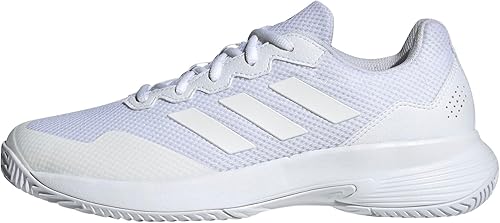
This is probably the most important purchase. Pickleball shoes or tennis shoes have a flat sole and good lateral grip. Running or walking shoes have a high, soft sole that makes rolled ankles more likely.
How to adapt the game
- Play doubles and agree with your partner on who covers lobs.
- Focus on the soft game at the net (dinks) rather than power rallies from the baseline.
- Use the drop serve if the standard serve is uncomfortable: the rules allow it.
- Play games to 11 and rest between games.
- Choose courts with run-off space behind the baseline and along the sides.
- Don't dive for impossible balls: no point is worth a fall.
Where to find groups and clubs
Pickleball courts and groups are popping up everywhere. Good ways to find people to play with:
- Local parks and recreation departments, which often run open play and beginner clinics.
- Senior centers, YMCAs and community centers with indoor courts.
- Tennis clubs that have added pickleball lines or dedicated court times.
- Retirement and 55+ communities, many of which have their own courts and leagues.
- Local social media groups and court-finder or booking apps.
If there are no courts nearby, a portable net and some lines on any smooth surface are enough to get started with friends.
Common beginner mistakes
- Playing for hours in the first week out of excitement.
- Wearing running or walking shoes.
- Buying a heavy paddle in the hope of more power.
- Skipping the warm-up.
- Backpedaling after lobs.
Recommended gear for this guide


Frequently asked questions
Is pickleball a good sport for people over 60?
For many people, yes: the court is small, the paddle is light, the serve is underhand and it's mostly played as doubles. It isn't risk-free, though, so start gradually and check with your doctor if you have existing health issues.
What is the best pickleball paddle for seniors?
A light or light-midweight paddle, roughly 7 to 8 oz (200-225 g), with a polymer core and a standard shape with a large sweet spot. If you have arthritis or a weak grip, a slightly thicker handle helps.
Which pickleballs are best for beginners?
Indoors, indoor balls with about 26 larger holes are softer and bounce more slowly. Outdoors you need outdoor balls with about 40 smaller holes, because they handle wind better.
Do I need a medical checkup before playing pickleball?
It isn't required, but it's a good idea if you haven't exercised in a while or have heart, blood pressure, joint or balance issues or osteoporosis. Your doctor can advise on the right intensity for you.
What is the biggest risk of pickleball for seniors?
Falls, especially from backpedaling to reach a lob. To avoid them, turn and move sideways, wear court shoes and leave difficult lobs to your partner.