If you buy through our links, Amazon pays us a small commission at no extra cost to you. That’s how we keep the site running. How we choose.
Contents
Our top 3 picks
Stock checked on October 7, 2026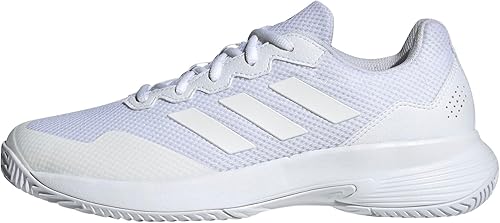

pickleball shoes comparison, in stock
adidas Mens Gamecourt 2.0 Tennis Sneakers Shoes - Black
Skechers Men's Slip-Ins: Viper Court Reload


WILSON Men's Rush Pro Ace Tennis Shoes
PickleballPala score: combines the average rating and the number of buyer reviews on Amazon. No brand pays to be featured.
Why shoes matter in pickleball
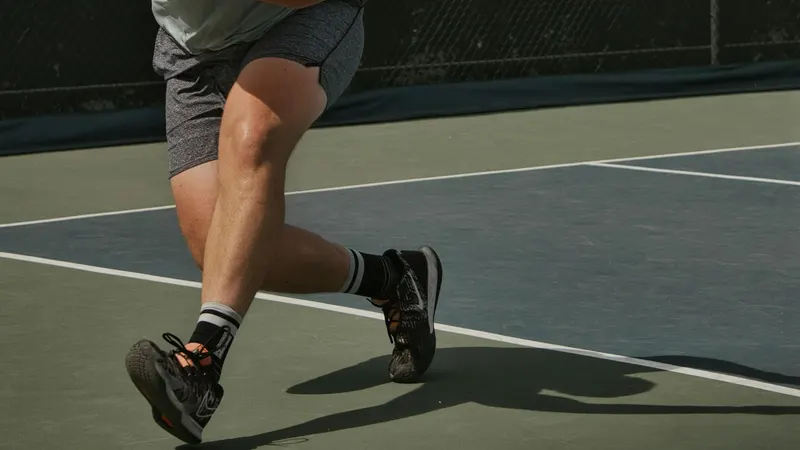
Pickleball looks like a relaxed sport, but every rally is full of short steps, hard stops, changes of direction and side shuffles near the kitchen. Your foot works laterally, and the shoe has to keep it from rolling off the outsole and keep the ankle from turning outward.
A good court shoe will not make you a better player, but it helps you reach the ball balanced and lowers the risk of sprains, which, along with falls while backpedaling, are among the most common mishaps on court. If you are just starting out, also read our guide to injuries and warm-up.
Why you should not play in running shoes
Running shoes are built for straight-ahead motion: lots of heel cushioning, a tall, soft midsole and a light mesh upper that offers little side support. On a lateral stop, your foot slides across the insole, the high stack acts as a lever and the ankle is left exposed.
Watch out: most ankle sprains in racket sports happen during a change of direction. Playing in running shoes, especially worn-out ones, is one of the most common beginner mistakes.
Choosing the outsole for your court
Not every court asks for the same shoe. Look at the outsole before the colorway:
| Court | Outsole to look for | Shoes that work |
|---|---|---|
| Outdoor concrete or acrylic | Hard, thick rubber, herringbone pattern, reinforced toe | Outdoor pickleball shoes, hard-court tennis shoes |
| Indoor gym or wood floor | Softer non-marking gum rubber with grip that still lets you pivot | Indoor pickleball, volleyball, badminton shoes |
| Padel court with turf and sand | Herringbone or hybrid pattern that sheds sand | Padel shoes |
| Clay | Tight herringbone | Clay-court tennis shoes |
Most US players are on outdoor hard courts, often converted tennis courts, so a durable outdoor outsole is the safe default. If you play in a school gym or rec center, a softer indoor sole grips far better on polished wood.
Do tennis and padel shoes work?
Yes. Tennis and padel shoes are designed for the same lateral movement and are a perfectly good choice. That is why the deals on this page also include court shoes: brands such as HEAD, Babolat, Wilson and Prince make tennis and padel footwear that works well for pickleball. Pickleball-specific models tend to be a bit lighter and lower to the ground, because the ball is slower and the movements shorter.
How to choose: width, ankle and durability
- Lateral support: look for reinforced sidewalls and a firm heel counter that does not collapse when you squeeze it.
- Width: if you have wide feet, look for wide (2E/4E) versions or roomy lasts; a cramped foot tires quickly and blisters.
- Ankle: low-tops are the norm. If you are prone to sprains, a mid-top or an ankle brace adds some confidence.
- Durability: outdoors, the toe and inner forefoot wear first; some brands offer an outsole durability guarantee.
- Weight: about 11-14 oz (300-400 g) per shoe is typical; lighter is not better if it costs you stability.
Tip: try shoes on in the afternoon with the athletic socks you will play in; feet swell during exercise, so leave about a thumb's width at the toe.
Common buying mistakes
- Playing in running or casual shoes with a tall, soft sole.
- Buying a soft indoor outsole for outdoor concrete: it lasts only a few weeks.
- Playing on with a bald outsole: grip drops and slipping becomes more likely.
- Choosing on looks without checking fit and support.
Round out your gear with protective eyewear and browse the full shoes and apparel section. We compare spec sheets, the rulebook and verified reviews, but we do not physically test the products: always check sizing and outsole type on the listing.
Frequently asked questions
Can I play pickleball in running shoes?
You can, but it is not a good idea. Running shoes offer little side support and have a tall, soft sole, which raises the risk of rolling an ankle when you change direction. A court shoe is a much better choice.
Are tennis shoes good for pickleball?
Yes. Tennis shoes are built for the same lateral movement. Hard-court tennis shoes are an excellent match for outdoor pickleball courts, and many players use them before buying a pickleball-specific pair.
What is the difference between indoor and outdoor pickleball shoes?
Outdoor shoes use a harder, thicker rubber that stands up to concrete. Indoor shoes use a softer gum rubber that grips wood or gym floors and does not leave marks.
How often should I replace pickleball shoes?
It depends on how much you play and on the surface. When the tread is smooth under the forefoot or the heel no longer feels secure, it is time. Playing outdoors several times a week, a pair usually lasts a few months.