If you buy through our links, Amazon pays us a small commission at no extra cost to you. That’s how we keep the site running. How we choose.
Contents
Our top 3 picks
Stock checked on October 7, 2026

pickleball protective eyewear comparison, in stock
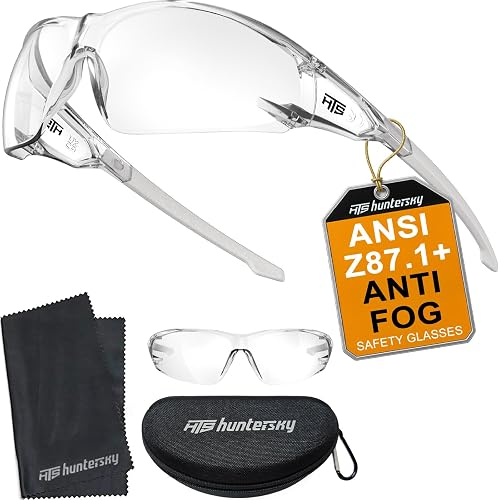
HTS HUNTERSKY ANSI Z87.1 Anti-Fog Clear Safety Glasses Pickleball Youth Baseball Lab Chemistry Goggles Scratch Resistant
HTS HUNTERSKY ANSI Z87.1 Anti-Fog Clear Safety Glasses Pickleball Youth Baseball Lab Chemistry Goggles Scratch Resistant

HTS HUNTERSKY ANSI Z87.1 Anti-Fog Clear Safety Glasses Pickleball Youth Baseball Lab Chemistry Goggles Scratch Resistant
HTS HUNTERSKY ANSI Z87.1 Anti-Fog Clear Safety Glasses Pickleball Youth Baseball Lab Chemistry Goggles Scratch Resistant

"N/A" Basketball Sports Goggles Men Racquetball Soccer Football Eyewear Protective Glasses Shock Collision Lens…
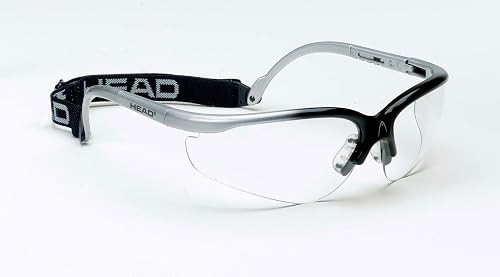
HEAD Racquetball Goggles - Pro Elite Anti Fog & Scratch Resistant Protective Eyewear w/UV Protection
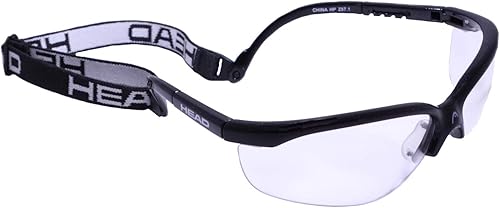
HEAD Racquetball Goggles - Pro Elite Anti Fog & Scratch Resistant Protective Eyewear w/UV Protection

HEAD Racquetball Goggles - Raptor Anti Fog & Scratch Resistant Protective Eyewear w/UV Protection
PickleballPala score: combines the average rating and the number of buyer reviews on Amazon. No brand pays to be featured.
Why wear eyewear for pickleball
A pickleball is made of hard plastic and does not squash like a tennis or padel ball. In doubles, all four players crowd the kitchen line, only about 14 feet (4.3 m) apart, and a fast drive at face height or a ball that clips the edge of a paddle can arrive before you have time to react.
No need to be dramatic: most games end without incident. But eye hits happen in every racket sport, and an eye does not bounce back like an ankle. That is why many clubs recommend eye protection and you will see plenty of it at US tournaments. The rules do not require it for recreational play.
Watch out: everyday prescription glasses and fashion sunglasses are not protective eyewear. Their lenses and frames are not built for impact and, if they shatter, they can make an injury worse.
Polycarbonate lenses and impact standards
The go-to material is polycarbonate: lightweight, highly impact-resistant and UV-blocking by default. Check that the listing says the glasses are designed for impact or racket sports. For sports like squash and racquetball, the common reference is the ASTM F803 standard, and many safety glasses carry ANSI Z87.1 markings. If a listing says nothing about impact, treat the product as sport sunglasses, not protection.
Types of eyewear: sport, sun and prescription
| Type | Pros | Cons |
|---|---|---|
| Pickleball or squash eyewear | Built for impact, wraparound frame, light | More "technical" look |
| Sport sunglasses | Comfortable, great outdoor vision | Not all are impact-rated; check the listing |
| Polycarbonate safety glasses | Inexpensive and tough | Less comfortable, can fog |
| Prescription sport glasses | Clear vision plus protection | Ordered through an optician or with an insert |
If you wear prescription glasses, you have three routes: over-the-glasses (OTG) protective eyewear, sport frames with a prescription insert clip, or prescription polycarbonate lenses made by your optician. Ask your eye care provider which option suits your prescription.
Tinted or clear lenses for where you play
- Outdoors in sun: gray or brown tints cut glare without distorting colors much.
- Outdoors on cloudy days or at dusk: yellow, orange or rose tints boost contrast on a yellow or lime-green ball.
- Indoors: clear lenses. A dark lens in a gym robs you of light and makes the ball harder to track.
Some models come with interchangeable lenses, which is handy if you split time between indoor and outdoor courts.
Fit, comfort and anti-fog
- Fit: snug without pinching; rubber temple tips and nose pads stop slipping when you move.
- Coverage: a wraparound frame also protects from the sides.
- Anti-fog: look for an anti-fog coating and frame vents; indoors and in hot weather, fogging is the number one complaint.
- Weight: under about 1 to 1.2 oz (30-35 g), you barely notice them during a game.
Tip: an elastic strap helps a lot during fast hands battles; and rinse the lenses with water and mild soap, never wipe them dry, to protect the coating.
Common mistakes
- Playing in everyday prescription glasses and assuming they protect you.
- Wearing dark lenses indoors.
- Buying fashion sunglasses with no mention of impact resistance.
- Choosing a frame that slides around: you will end up taking it off.
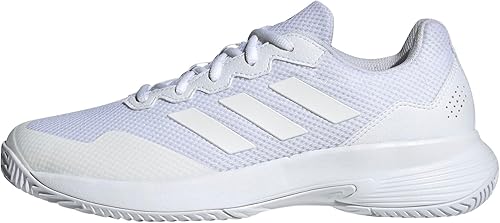
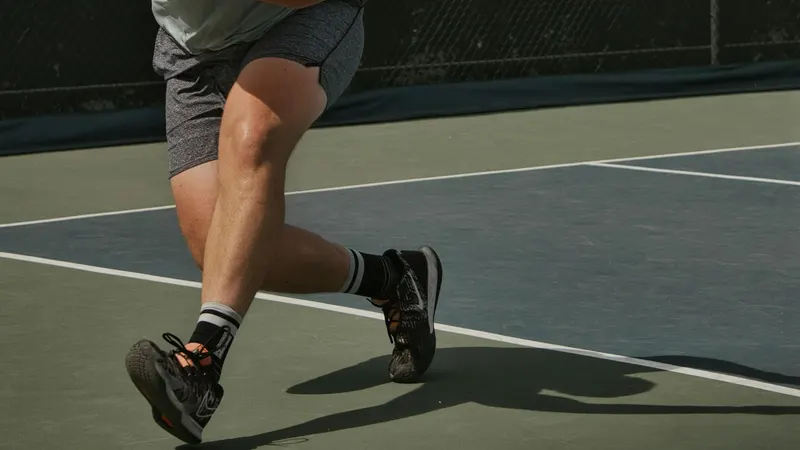
Round out your gear with proper court shoes and read up on how to prevent injuries. This page offers general safety advice and is no substitute for an optometrist or ophthalmologist. We compare spec sheets, the rulebook and verified reviews, but we do not physically test the products.
Frequently asked questions
Is eye protection required in pickleball?
No. The rules do not require it for recreational play. It is an increasingly common safety recommendation, especially in doubles, where players stand very close together at the kitchen line.
Can I use regular sunglasses as eye protection?
Only if the listing says they are impact-resistant, for example with polycarbonate lenses and a safety standard. Many fashion sunglasses are not designed to take a hit from a ball.
What if I wear prescription glasses?
You can wear protective eyewear that fits over your glasses, sport frames with a prescription insert, or ask your optician for prescription polycarbonate lenses in a sport frame.
What lens color is best for pickleball?
Outdoors in sun, gray or brown. In low light, yellow or orange for extra contrast. Indoors, clear lenses.